Booking Highly Recommended Garage Door Repair in Peoria
Common Garage Door Issues and How to Fix Them: A Comprehensive Guide to Garage Door Repair
Garage doors are critical yet commonly disregarded features of a home. Common issues like misalignment, worn springs, and malfunctioning openers can disrupt daily routines. Comprehending these challenges and their fixes is necessary for efficient maintenance. This guide offers practical insights into troubleshooting and repairs, enabling homeowners to address concerns confidently. However, the journey to a fully functional garage door involves more than just quick fixes. What steps should one take to guarantee long-term reliability?
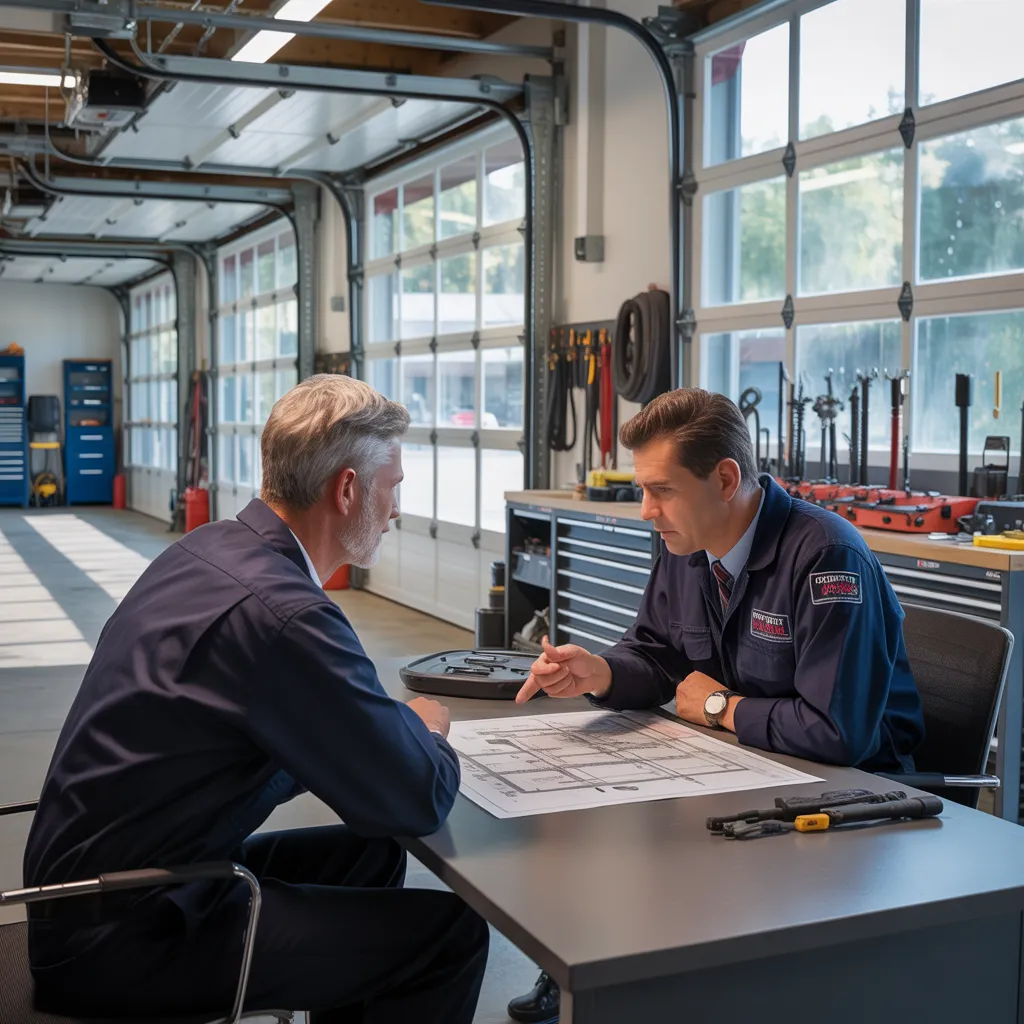
Frequent Garage Door Issues: A General Overview
What are the typical challenges that arise with garage doors? Numerous homeowners face issues that span from mechanical breakdowns to environmental influences. One prevalent issue is the misalignment of the door tracks, which can cause the door to jam or operate unevenly. Moreover, aging springs are a regular source of trouble, as they carry the door's weight and can result in malfunction when not timely replaced. A further typical issue concerns the garage door opener, with problems like non-responsive remotes or faulty sensors disrupting normal function. Climate-related elements, including rust forming on metal components or accumulation of debris in the tracks, can equally affect performance. In addition, the door can develop dents or physical damage, affecting both its performance and visual appeal. Identifying these common problems is essential for effective maintenance and repair, ensuring the garage door operates smoothly and securely.
Easy Solutions for a Garage Door That Won't Open
When a garage door fails to open, a few simple solutions can frequently address the problem. First, checking the power supply and ensuring the door is receiving electricity is essential. Moreover, evaluating the remote batteries and assessing the safety sensors can aid in detecting typical problems that stop the garage door from working as intended.
Inspect Power Supply
Inspecting the power source is critical when a garage door refuses to open. A non-functioning garage door may stem from electrical issues rather than mechanical problems. To begin, one should ensure that the garage door opener is securely plugged in. Poor connections can interrupt the power supply. Next, inspecting the circuit breaker is important; if it has been triggered, switching it back on may resolve the issue. Additionally, checking any extension cords for damage or loose fittings can assist in locating the problem. If the power source seems undamaged but the door still fails to operate, a deeper examination into the opener's internal parts may be required. Carefully examining the power source ensures a structured method to diagnosing the issue, preventing unnecessary repairs and potential costs.
Check Remote Batteries
Examining the remote's batteries is a critical step when a garage door fails to respond. Numerous homeowners miss this straightforward yet important task, believing the fault is in another component. To proceed, one should find the battery compartment on the remote, commonly positioned on the rear or underside. After opening the compartment, it's essential to check for any buildup or corrosion that may interfere with the connection. Swapping out worn or dead batteries for new ones is often a quick solution. It is wise to use the correct battery type as recommended by the manufacturer. Once swapped, checking the remote can verify if the problem has been fixed. This simple solution can prevent unnecessary effort before investigating more complicated garage door issues.
Check Safety Sensors
After verifying that the remote batteries are working properly, the following step requires inspecting the safety sensors. These devices, usually positioned near the bottom of the garage door tracks, play a vital role in preventing accidents. Should the sensors be out of alignment or blocked by debris, the garage door could be prevented from opening. A visual inspection should be conducted to confirm both sensors are clean and facing each other directly. When needed, carefully readjust them and wipe the lenses using a soft cloth. Furthermore, it is essential to inspect for any noticeable damage to the wiring. After completing the adjustments, the remote ought to be tested once more. Should the door continue to be unresponsive, a deeper examination of additional components may be necessary.
Garage Door Noises: Causes and How to Fix Them
Sounds from a garage door can indicate a range of underlying problems that may require attention. Common sounds, like grinding or squeaking, typically originate from specific causes related to the components of the door. Understanding these noises and implementing effective noise reduction tips can lead to more efficient and quieter operation of your garage door.
Frequent Noise Varieties
Garage door noises may be concerning for homeowners, frequently indicating underlying issues that need attention. Common noise types include grinding, banging, and creaking. Creaking commonly stems from the door's copyrights and rollers that require proper lubrication. Grinding sounds can signal misaligned tracks or worn-out rollers, calling for a thorough inspection and potential part replacement. Banging typically comes from a loose door or hardware that requires tightening. Squeaking can stem from components that are dry or corroded, highlighting the need for routine maintenance. Identifying these noises promptly can prevent more serious problems, making certain the garage door runs efficiently and safely. Regular checks and timely repairs can reduce disruptions and prolong the life of the entire garage door system.
Possible Causes Explained
Understanding the main factors of garage door noises is essential for efficient troubleshooting. Frequently, these disturbances originate from worn-out rollers, misaligned tracks, or loose hardware. Squealing or rasping sounds often suggest poor lubrication on moving parts, while banging sounds may reveal that the door is improperly balanced. In addition, a malfunctioning opener can produce clunking or droning sounds, signaling potential mechanical faults. Environmental factors, such as temperature fluctuations, can also alter the door's functionality, producing surprising noises. Identifying these causes early can avoid additional damage and ensure the garage door operates smoothly. Periodic maintenance and immediate response to unusual noises can greatly extend the longevity of the garage door assembly.
Effective Noise Reduction Tips
Addressing essential information garage door noises requires actionable approaches to boost performance and limit noise. First, regular lubrication of rollers, copyrights, and tracks using a silicone-based spray can significantly decrease friction, resulting in smoother and quieter performance. Additionally, tightening loose hardware is essential, as vibrations from a loose garage door can amplify noise.
Another effective measure involves installing soundproofing materials, like foam padding or rubber strips, to minimize sound travel. Furthermore, substituting old or broken elements, such as rollers or springs, can result in quieter and more fluid operation. Lastly, verifying accurate alignment of the door and related components can eliminate unwanted rattling during use. Implementing these tips can result in a more silent and effective garage door setup.
Repairing a Stuck Garage Door: Step-by-Step Guide
When a garage door gets stuck, it can interfere with daily routines and cause frustration. To resolve this problem, the initial step involves inspecting the tracks for obstructions like debris or dirt. A proper cleaning of the tracks can often solve the problem. Afterward, inspect the rollers for any damage or deterioration; worn or damaged rollers may need to be replaced. Should the door continue to remain stuck, verify that the tracks are properly aligned. Out-of-alignment tracks can be fixed by using a level and adjusting the mounting brackets. Additionally, verify that the garage door opener is functioning properly. If the remote or wall switch is unresponsive, replacing batteries or inspecting wiring may be required. Lastly, apply lubrication to moving components such as copyrights and springs to promote smoother operation. By following these steps, a stuck garage door can be restored to full working order, ensuring convenience and peace of mind.
Aligning Your Garage Door Sensors
Garage door sensor alignment is vital for maintaining safe operation. These sensors, typically located on either side of the garage door, detect obstacles and prevent the door from closing on objects or people. Misalignment can trigger false signals, causing the door to malfunction or reverse unexpectedly.
To properly align the sensors, start by examining them for any apparent obstructions such as dirt or debris. When needed, clean the lenses with a clean soft cloth. Afterward, confirm the alignment by confirming that both sensors are positioned directly opposite each other. Small corrections can typically be performed by releasing the mounting brackets and adjusting the sensor positions. Once aligned, test the door operation by closing it while monitoring for any irregularities. When the sensors are functioning properly, the door should operate smoothly without reversing. Regularly checking sensor alignment helps maintain peak functionality and enhances safety in the garage.
Essential Tools for Garage Door Repairs
The right tools are essential for successful garage door maintenance. A fundamental set of tools should consist of a socket set and wrenches, which are indispensable when making hardware adjustments or replacements. A set of screwdrivers is needed for managing the different screws that fasten the door and its components properly fastened. Pliers along with wire cutters are ideal for managing the springs and cables properly.
Safety gear, such as goggles and gloves, prevents injuries while working on the door. A leveling tool guarantees the door is correctly aligned, while a tape measure helps measure dimensions accurately. Furthermore, a ladder may be required for reaching components in elevated areas.
For particular problems, a torque wrench is essential when adjusting spring tension, and a multimeter assists in diagnosing electrical issues with openers. Having the right tools on hand optimizes the repair process and promotes safety, rendering maintenance tasks more effective and manageable.
Frequently Asked Questions
How Frequently Should I Service My Garage Door?
Professionals advise servicing a garage door twice yearly. Consistent inspections, adequate lubrication, and necessary adjustments can prevent issues, providing secure and consistent functionality while increasing the door's longevity and efficiency over the years.
Can I Repair My Garage Door Myself?
Indeed, people can repair their garage doors themselves, as long as they have the required tools and expertise. That said, vigilance is necessary, as improper repairs can lead to safety hazards or further damage requiring professional intervention.
What Are the Signs of a Failing Garage Door Opener?
Indicators of a failing garage door opener include unreliable functioning, unusual noises during use, unresponsiveness to remote controls, and the door changing direction without reason. These symptoms indicate potential mechanical or electrical issues needing attention.
How Long Do Garage Doors Typically Last?
Garage doors generally last between 15 to 30 years, influenced by factors like material durability, regular maintenance, and frequency of use. Consistent inspections and timely maintenance can greatly extend their overall lifespan and functionality.
When Should I Consider Replacing My Garage Door
A garage door is a candidate for replacement when it exhibits significant damage, recurring performance problems, or considerable deterioration after 15 to 30 years. Upgrading can improve security, energy efficiency, and overall curb appeal.